August 11, 2026
Accessing a clean and independent source of underground water is a major milestone for homeowners, agricultural landowners, and commercial properties. Establishing a personal water system offers long-term autonomy, consistent supply, and relief from public utility dependence. However, subterranean construction is a specialized technical discipline that requires careful preparation, heavy machinery, advanced engineering, and rigorous health standards. Understanding what happens behind the scenes helps property owners approach the project with confidence and clarity.
Every groundwater project relies on a systematic progression of engineering phases. From the initial geological survey to the final placement of underground pumping systems, each step plays a vital role in ensuring safe, continuous water flow. Knowing what to expect during well drilling enables landowners to prepare their property, coordinate schedules effectively, and ensure that their overall water infrastructure meets long-term expectations.
Evaluating the Property and Selecting the Site
Before any heavy machinery arrives on location, technicians must complete a thorough site evaluation. Ground structure, surface topography, local hydrogeology, and distance from potential contamination sources play crucial roles in determining where to dig. Underground aquifers are not distributed uniformly, so choosing the proper location requires evaluating geological maps, historical water tables, and physical access routes for heavy vehicles.
Technicians also check for proper setbacks from structures, property lines, septic systems, power lines, and driveways. Securing an optimal site ensures easy vehicle access while protecting the underground supply from potential surface runoffs or environmental contaminants. Careful planning during this initial stage eliminates future operational obstacles and sets a solid foundation for successful well drilling without unnecessary delays.
Securing Necessary Permits and Clearances
Navigating environmental regulations and municipal codes is essential before starting physical excavation. Local governments, environmental protection agencies, and water management districts enforce strict guidelines regarding groundwater extraction, underground utility placement, and environmental safety. Obtaining required permits ensures that the project complies with regional groundwater conservation mandates and sanitation codes.
Additionally, contacting local utility line finders is a critical safety protocol. Underground power lines, gas pipes, telecommunication cables, and municipal sewer lines must be identified and marked to prevent accidental strikes during well drilling operations. Completing this regulatory and safety check protects workers, prevents structural damage to local utility networks, and keeps the construction fully compliant with legal standards.
Preparing the Location and Setting Up Equipment
Once permits are secured, crews mobilize high-powered rigs and support equipment to the property. Preparing the ground involves clearing debris, leveling the staging area, and establishing a stable pad for heavy machinery. Rig operators ensure that the heavy drilling rig is balanced and anchored securely to maintain precision during operations.
In addition to the primary rig, auxiliary vehicles such as mud pits, water tanks, drill pipe trucks, and support trailers are positioned logically around the work zone. Proper site preparation minimizes ground disturbance and creates a safe working boundary. According to Business Evolution, valuation for the shallow well water pumps market stood at $1.5 billion in 2024 and is projected to expand to $2.8 billion by 2033, underscoring the expanding infrastructure surrounding private water access worldwide.
Boring the Hole and Reaching the Aquifer
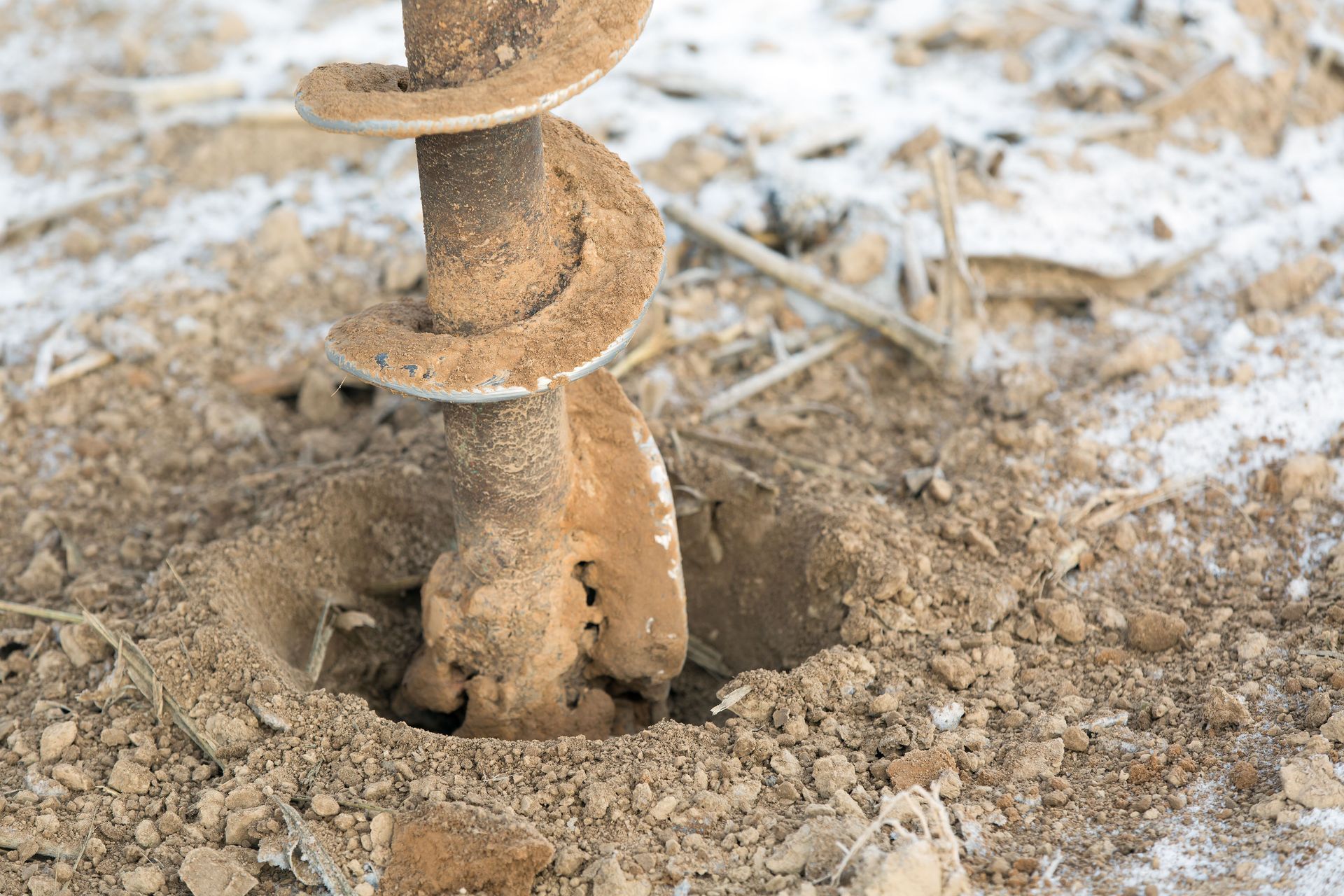
The core phase of the project involves driving heavy drill bits deep into subterranean rock and soil layers. Specialist crews utilize heavy rotary bits, air hammers, or mud circulation equipment depending on the ground composition. As the drill penetrates clay, sand, gravel, and solid bedrock, continuous fluid or air pressure flushes soil cuttings out of the borehole.
Geological conditions dictate how smoothly and deeply the rig must penetrate to hit a viable water-bearing aquifer. Technicians closely monitor soil and rock formations brought to the surface to identify when moisture-bearing strata are reached. Performing precise well drilling through tough subterranean strata requires experienced machinery operators who can adjust drilling speed and pressure based on changing rock density.
Installing the Casing and Well Screen
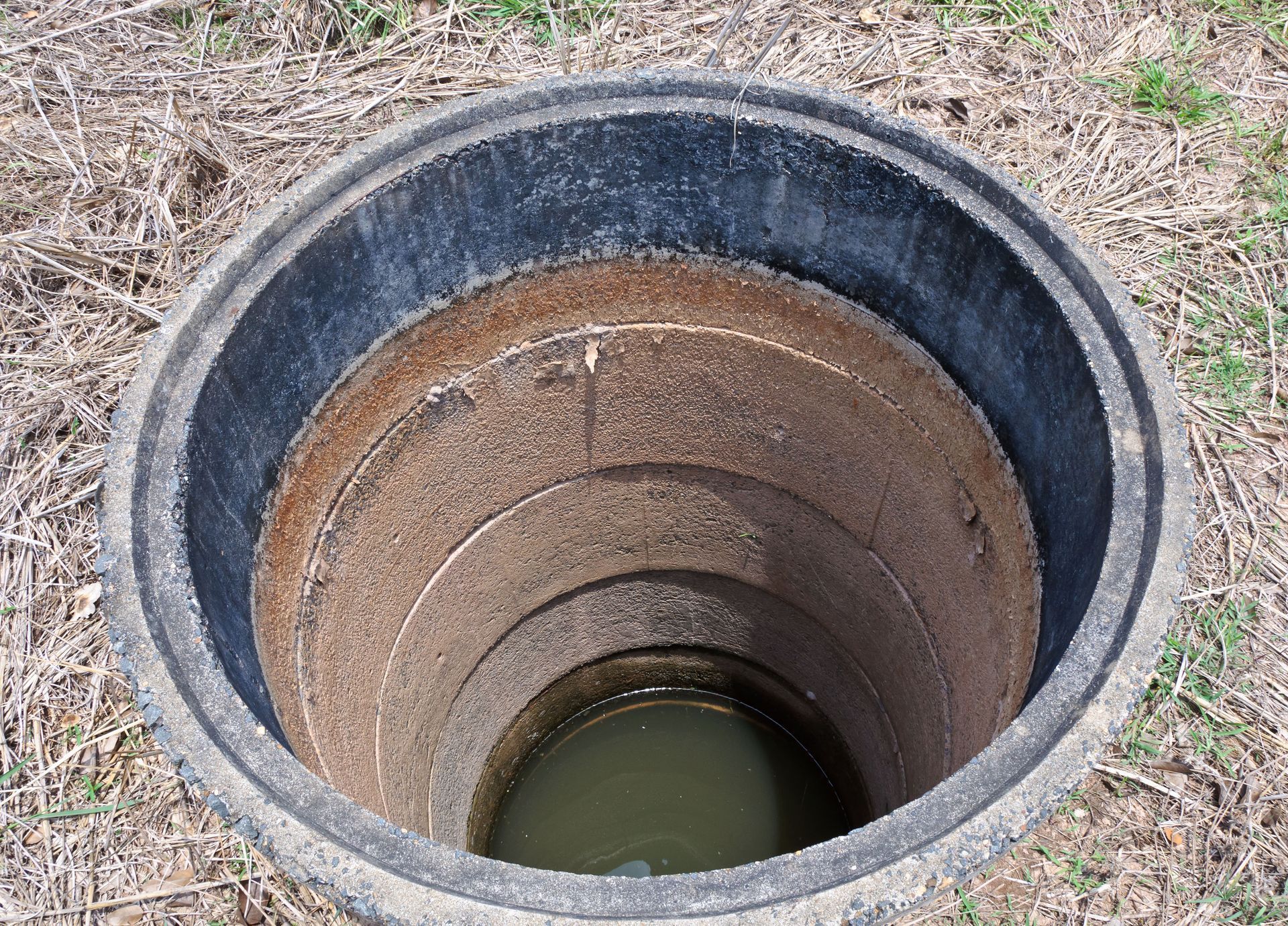
After reaching the water-saturated formation, crews insert a durable structural pipe known as a casing into the newly formed hole. The casing prevents soft soil and loose rock from collapsing inward, preserving the integrity of the vertical channel. Made from high-strength steel or heavy-grade synthetic material, the casing shields clean water from surface contaminants and shallow groundwater seepage.
At the bottom of the casing, a specialized well screen is positioned directly within the aquifer formation. This screen allows water to pass freely into the column while filtering out sand, gravel, and heavy sediment. Executing this step properly in well drilling guarantees long-term structural durability and ensures that raw water entering the pipe remains free from coarse debris.
Sealing the Well and Applying Grout
To preserve underground purity, crews apply a protective seal in the space between the outer soil wall and the inner casing, known as the annular space. A dense slurry of bentonite clay or neat cement grout is pumped down this gap, filling every void from the deep formation up to the surface level.
This critical sealing step creates an impermeable barrier against surface runoff, chemical fertilizers, and contaminated topsoil moisture. Without high-grade grouting during well drilling, surface liquids could easily travel down the exterior of the pipe directly into the pure aquifer below. Effective grouting secures long-term sanitation and protects local groundwater resources for decades.
Flushing the System and Developing the Well
Newly installed systems contain drill cuttings, natural clay residue, and fine sediment that must be removed before domestic or commercial use. Well development involves thoroughly flushing the borehole through air lifting, surging, or high-pressure pumping. This process clears fine silts from the surrounding aquifer formation, creating natural filtration channels around the lower screen.
Continuous flushing cleanses the water column and maximizes natural flow capacity. Proper development increases hydraulic conductivity near the intake zone, leading to clearer water and better operational efficiency for pumping equipment. Completing this clearing phase after well drilling ensures that clear water flows smoothly without clogging future filtration hardware or domestic fixtures.
Testing Flow Rate and Water Quality
Before connecting distribution pipes, technical teams conduct comprehensive yield and quality assessments. Flow rate testing involves pumping water continuously over an extended period to evaluate sustainable supply capacity and measure drawdown levels. This verification determines how many gallons the system can reliably produce during peak demand periods.
Simultaneously, water samples are drawn and analyzed for physical clarity, mineral composition, pH levels, and microbial safety. Identifying specific mineral contents enables property owners to select suitable water treatment or softening systems if needed. Comprehensive testing provides absolute proof of system performance and guarantees safe water for daily consumption.
Connecting Pumping Equipment and Finishing the Installation
The final operational phase involves installing the permanent submersible pump, pressure tank, and electrical control panel. Technicians select pump specifications based on well depth, static water level, and household consumption demands. The pump is lowered into the casing along with heavy-duty power cables and discharge piping.
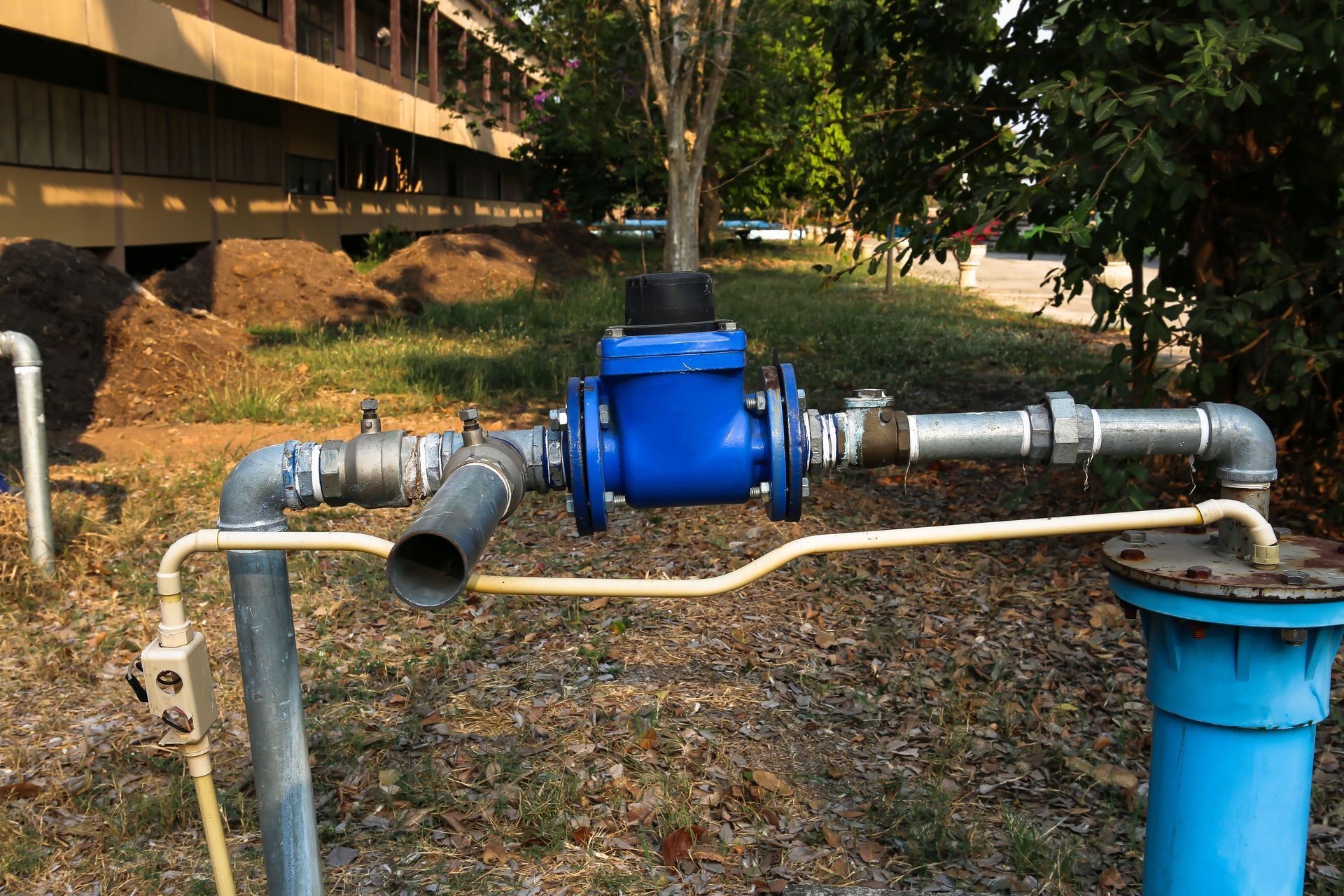
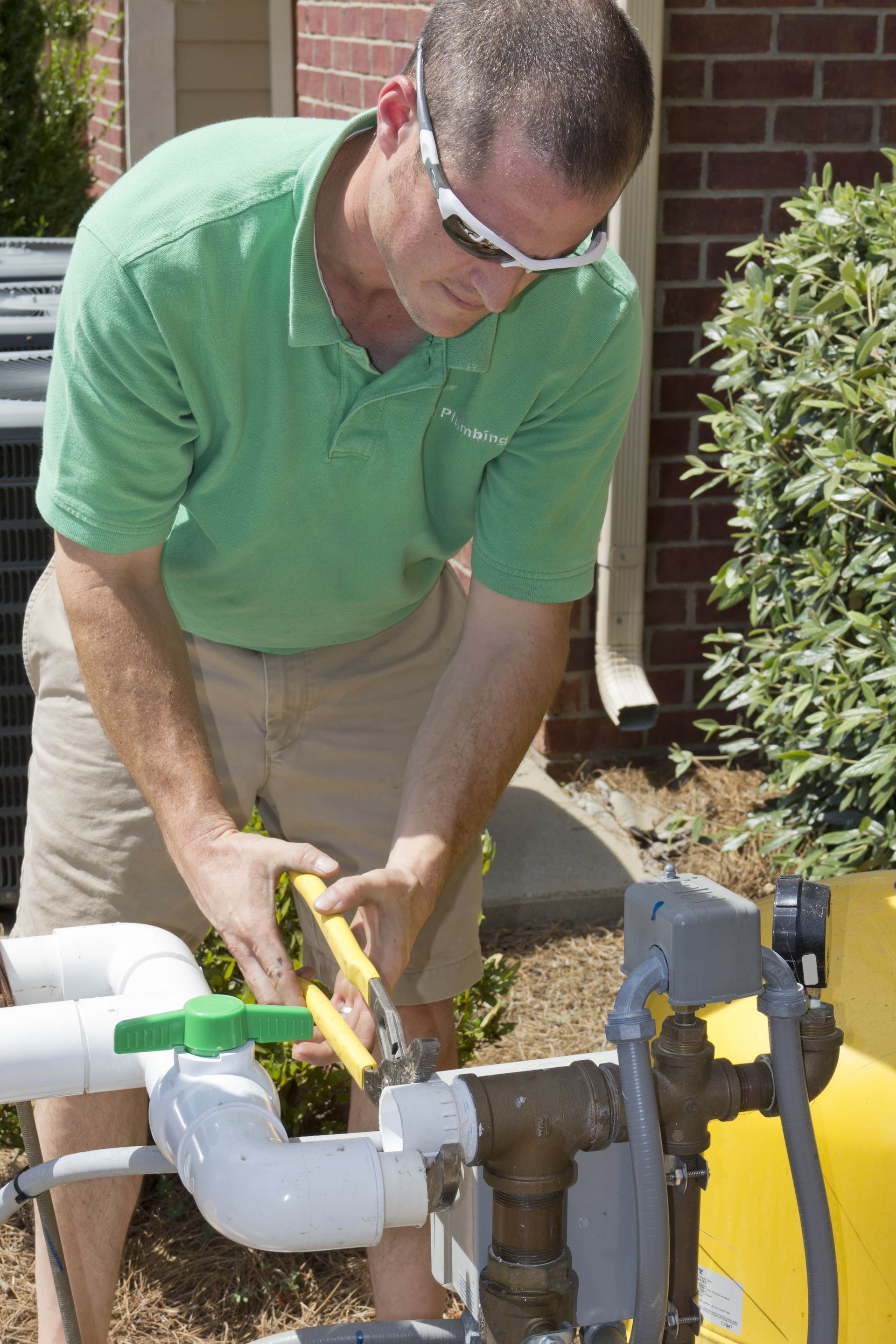
At ground level, technicians connect the plumbing to pressure vessels, filtration systems, and electrical switches. The top of the casing is sealed with a sanitary cap that sits elevated above ground grade to prevent surface water intrusion. Once testing confirms smooth automatic operation, the private water supply system is fully operational and ready for continuous daily service.
If you are ready for a reliable private water system, contact us at Dixie Well Company Inc today. We will help you navigate every phase of the well drilling process, from excavation, installation, and pump integration, with complete technical precision. Contact our dedicated team to schedule an initial consultation and take essential steps toward securing high-quality water for your property.